VW TDI — DPF, EGR and the Whole Fuel System
Short trips that kill the particulate filter. Oil that breathes through the EGR. Practical guidance for city drivers.
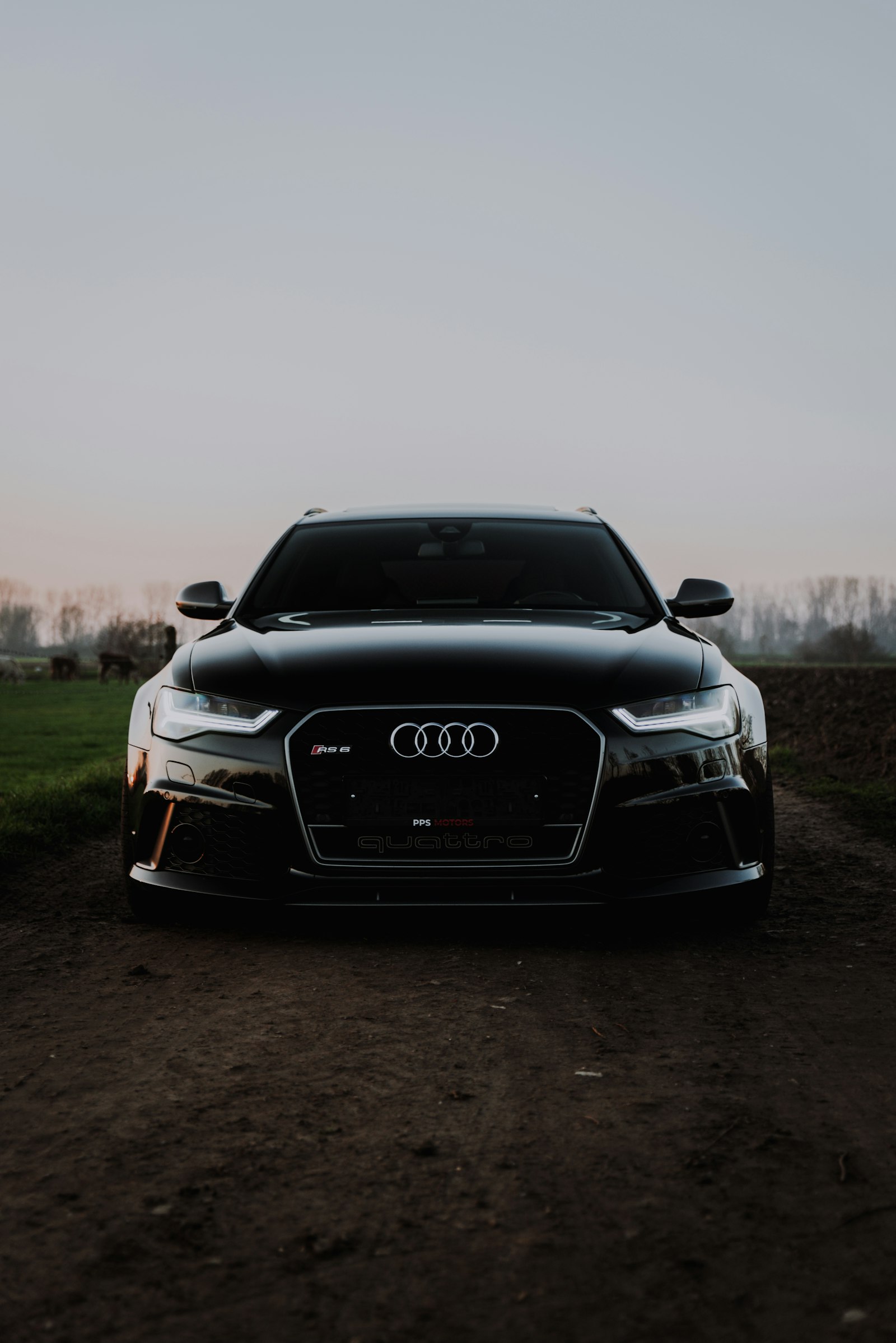
The VW Group's 2.0 TDI is the workhorse engine of European motoring — half a million kilometres if treated right. But Tallinn driving — short runs, traffic, cold starts — is a worst-case scenario for diesels. Three systems decide whether your TDI lives or dies.
The DPF (particulate filter)
The DPF needs a regeneration cycle every ~500 km: a sustained 70+ km/h run at proper engine temperature, lasting 15–20 minutes. City-only driving never completes regen → soot accumulates → permanent clog → €1500+ replacement.
Drive to Pärnu once a month. Seriously. It's cheaper than a new DPF.
The EGR valve + intake
EGR recirculates exhaust gas. The oily, sooty residue cakes inside the intake manifold over years. Symptoms: rough idle, loss of low-end power, occasional limp mode. Clean (or replace) at 150–180k km. Don't believe anyone who says "you can ignore this on modern diesels."
The fuel system — small particles, big damage
TDI injectors live or die by fuel quality. Wrong filter intervals, condensation in winter, or one bad tank of fuel can kill a high-pressure pump (€2000+) or set of piezo injectors (€800 each). Don't skip the filter at 30k km intervals.
What we'd actually recommend
- Long highway run every 4–6 weeks (minimum 30 min at 90–110 km/h)
- Premium diesel (Neste Pro Diesel / Olerex 100) once a quarter — it has cleaners that pump-grade fuel lacks
- Fuel filter every 30k km, no exceptions
- Intake/EGR check at 150k km — proactive cleaning is hours; reactive cleaning is days
A well-maintained 2.0 TDI is one of the most reliable engines ever built. A neglected one is a teaching exhibit in expensive lessons.